
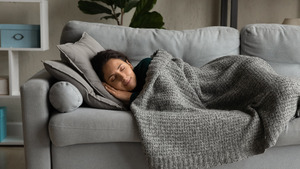
Sleep apnea can make getting a good night’s rest next to impossible, which can have a number of consequences for your health and your overall quality of life. One of the most notable side effects of the disorder is that it can result in excessive daytime tiredness. When you’re unusually exhausted, the idea of taking a nap can seem very appealing. But will napping actually help combat your sleep apnea, or will it only add to your problems?
Can Napping Help When You Have Sleep Apnea?
Sleep apnea causes your breathing to repeatedly stop and restart while you’re asleep. These pauses can force your brain to wake your body up multiple times throughout the night, meaning you don’t get nearly enough quality sleep.
So, can napping help you catch up on the rest you missed out on due to sleep apnea? Unfortunately, the answer is typically no. Sleep loss accumulates over time; the longer your sleep apnea goes untreated, the larger your sleep debt will grow. As such, a single nap is unlikely to solve the problem.
Furthermore, if you nap during the day, you might have a harder time falling asleep at your actual bedtime. It’s therefore better to avoid napping if you’re already having trouble getting enough rest due to a sleep disorder.
So, What Should You Do About Sleep Apnea?
Napping isn’t a viable solution for sleep apnea, but luckily, there are other ways to address the problem and improve the quality of your slumber. For example, depending on the cause and severity of your sleep disorder, you may benefit from wearing an oral appliance provided by a sleep dentist. This device can help you maintain an open airway during the night by moving your jaw slightly forward. As a result, you will be less likely to experience the airway obstructions that can cause sleep apnea episodes.
It may also be a good idea to make a few lifestyle changes that can potentially help with your sleep apnea symptoms. This can include:
- Taking steps to lose weight.
- Switching from sleeping on your back to sleeping on your side.
- Staying away from alcohol in the evening.
- Sticking to a consistent sleep schedule.
- Avoiding the use of electronic screens before bedtime.
The sooner your sleep apnea is properly diagnosed and treated, the sooner you’ll be able to get it under control. Be sure to reach out to an expert as soon as possible if you suspect that sleep-disordered breathing is depriving you of the rest you deserve.
About the Author
Dr. Glenn Thompson is a graduate of Tufts University School of Dental Medicine in Boston. He has completed hundreds of continuing education hours that focused on diagnosing and treating sleep apnea. At Downtown Denver Sleep Solutions, he has been able to help many patients overcome snoring and sleep-disordered breathing with personalized oral appliances. If you’re looking for a way to treat your sleep apnea, you can schedule an appointment with Dr. Thompson by visiting his website or calling (303) 377-5337.